Gravel Driveway Installation and Grading for Celina Area Properties
Rural acreage in Collin County often needs a proper driveway before anything else can happen on the property. In Celina, where large custom home lots are being carved from former ranch land north of US-380, a new driveway and access road is almost always one of the first tasks before a builder can get equipment on site. New drives on raw land, access to an existing barn or pond, and regrading a drive that washed out are all the same trade with the same steps.
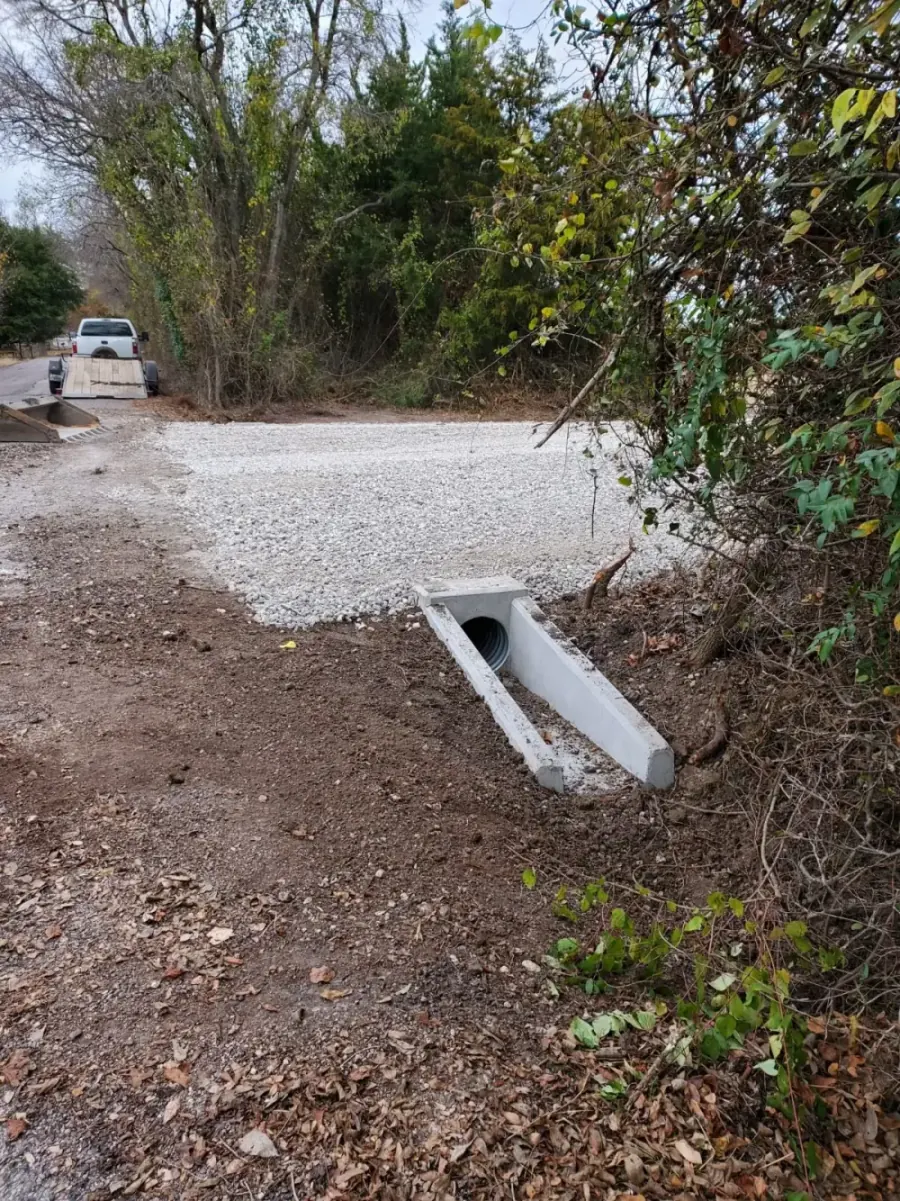
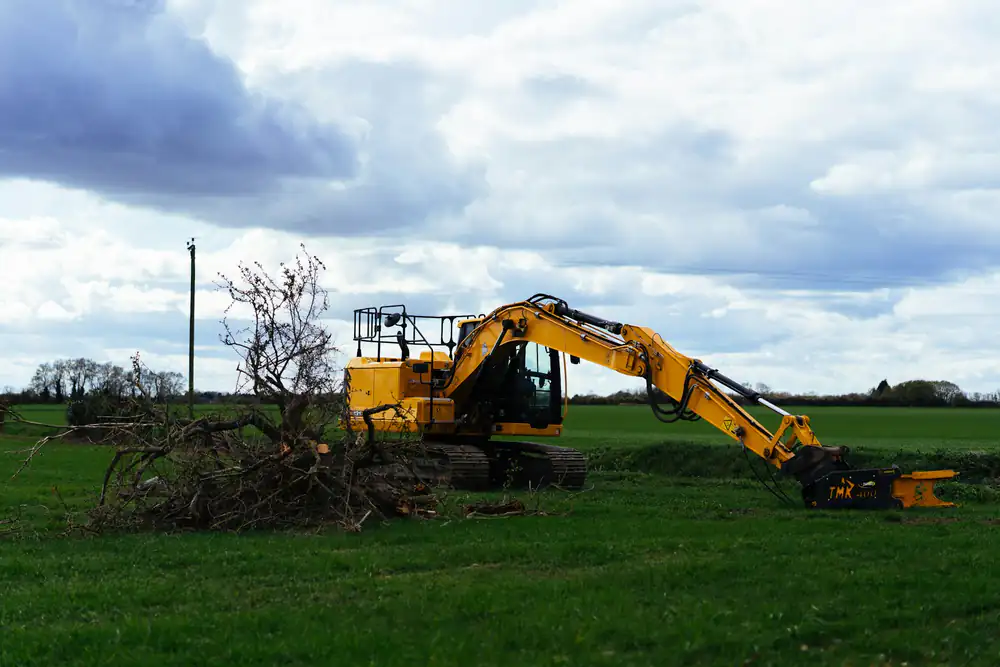
A good driveway starts by shaping the ground correctly, not just dropping gravel on whatever's there. That means cutting through brush if needed, establishing proper drainage crowns and drainage ditches alongside, setting culvert pipes where the driveway crosses a ditch or drainage line, and grading the surface so water runs off the edges rather than pooling in the middle and washing out gravel over time.
Driveway Grading and Collin County Clay Soil
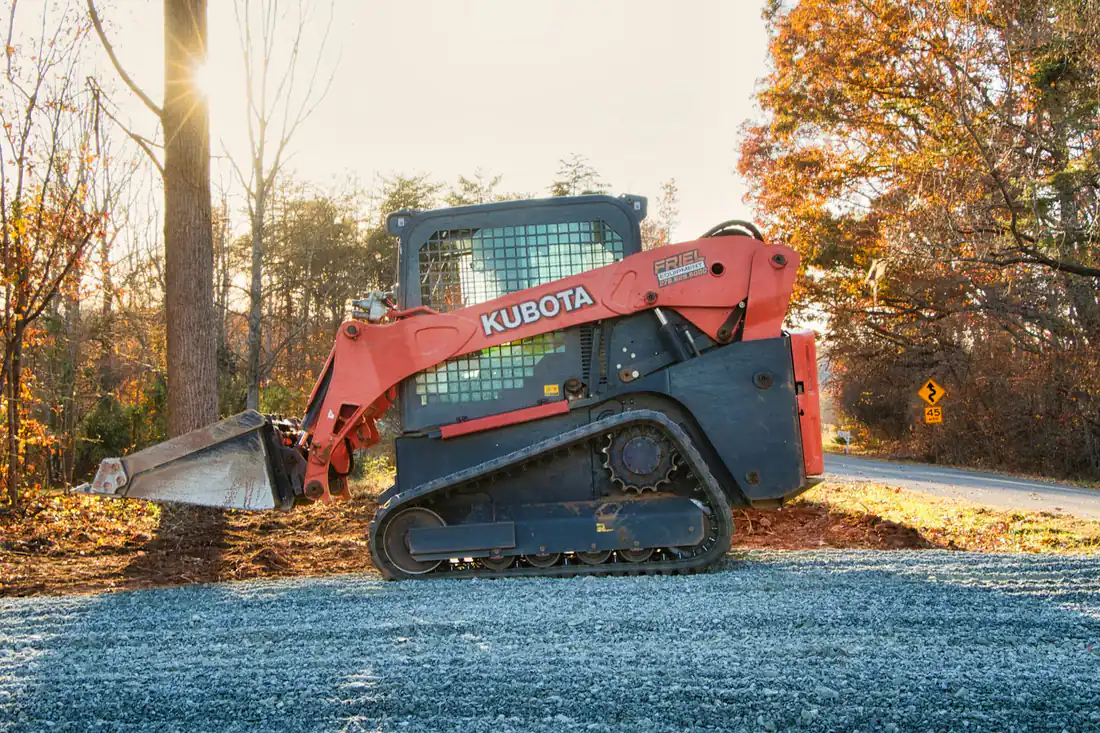
The clay-heavy soil that's common throughout Collin County creates specific challenges for gravel driveways. Clay doesn't drain quickly after rain, which means water sits on and alongside driveways longer than it would in sandy or loam-heavy soils. That extended saturation softens the subgrade and accelerates rut formation under vehicle traffic.
A driveway that's built correctly for these conditions handles the problem from the start. Proper subgrade compaction before gravel goes down is essential. The drainage crown (a slight rise in the center of the driving surface) needs to be intentional and maintained, not just hoped for. Ditches alongside the driveway have to be cut and graded so they actually carry water away, not just look like they will.
All of this matters on any driveway job in Celina and the surrounding Collin County area. The difference between a driveway that holds up for years and one that washes out after a wet spring usually comes down to whether the prep work was done right.
Driveway Prep Before Grading: The Four Steps Under the Gravel
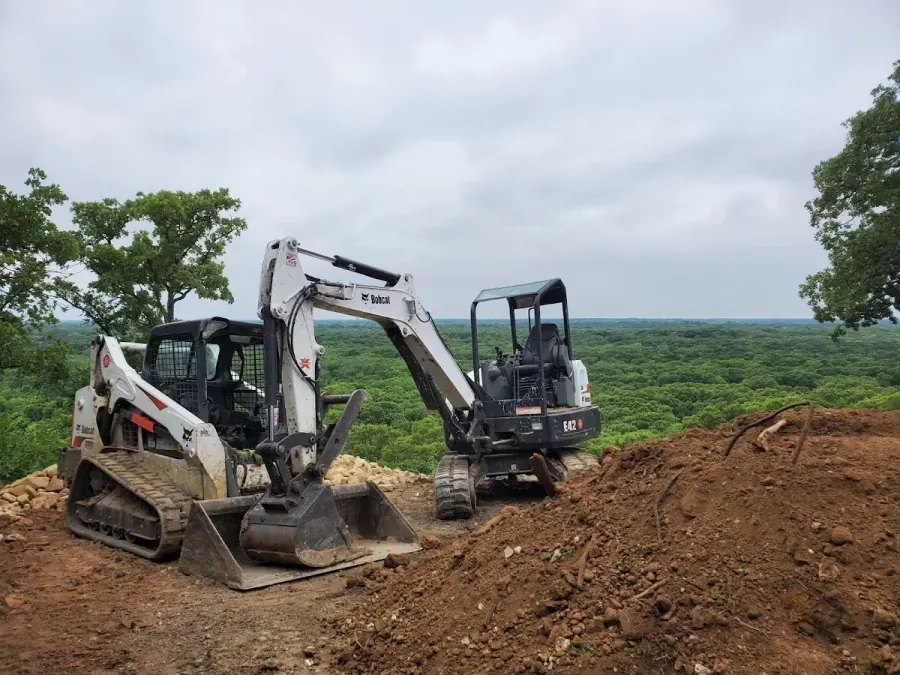
Driveway grading prep is everything done before the first load of rock: clear and strip the path, firm up the clay, set the crossing, then shape the base. Skipping any of the four is how a new drive grows ruts by its second spring.
- Clear and strip. Brush, roots and the grassy topsoil come off the whole width of the drive plus its ditches. Organic material left under gravel rots and leaves soft spots, so it goes to the side, not under the base.
- Cut and compact the subgrade. The exposed clay gets shaped to the drive's line and compacted. A pass with a loaded truck shows any spot that still pumps or ruts, and those get dug out and rebuilt before rock goes down. On Houston Black clay this step decides how the drive behaves after rain.
- Set the crossing at the road ditch. In unincorporated Collin County a new driveway onto a county road needs a culvert permit before the work, and the county's standards set the pipe: corrugated metal only in county right of way, at least 15 inches across, at least 12 inches of cover, a minimum 0.50 percent slope, and a length equal to the drive's width plus 4 feet on each side. The county inspects it before it is covered, and only road base, crushed concrete, gravel, asphalt or recycled asphalt may go over it. Inside Celina, work in the public right of way needs a city right-of-way permit instead.
- Base, fabric and crown. Separation fabric keeps the rock from sinking into the clay, then 4 to 6 inches of compacted road base goes down with a crown that throws rain into the side ditches.
The culvert installation pagegoes deeper on sizing and the county's mailbox and turnout rules.
Driveway Grading Services for Celina TX Properties
Full installation from cutting through raw land to finished gravel surface.
Fixing existing driveways that have ruts, low spots, or drainage issues.
Setting corrugated metal pipe at road and ditch crossings to maintain flow.
Extended driveway or access road preparation for larger rural properties.
Gravel sourcing and spreading on prepared base for new or existing drives.
Cutting roadside ditches to direct water away from the driving surface.
Most rural driveways in this area are gravel. Crushed limestone or flex base is the typical surface material in North Texas, and it holds up well to the clay-heavy soil common in Collin County when it's installed over a properly graded subgrade with decent drainage.
On a new build, book the driveway with the rest of the site prep so the machines come out once. It usually follows the lot clearing and goes in with or just before the house pad, since the fill trucks need a road to drive on.
Driveway Grading Celina TX: Frequently Asked Questions
How much does a new gravel driveway cost in Collin County?
What type of gravel works best for driveways in Celina TX?
How long does driveway grading take?