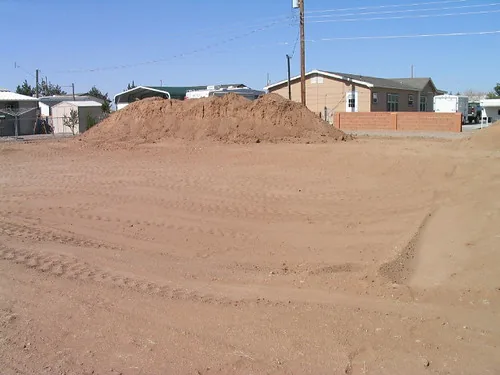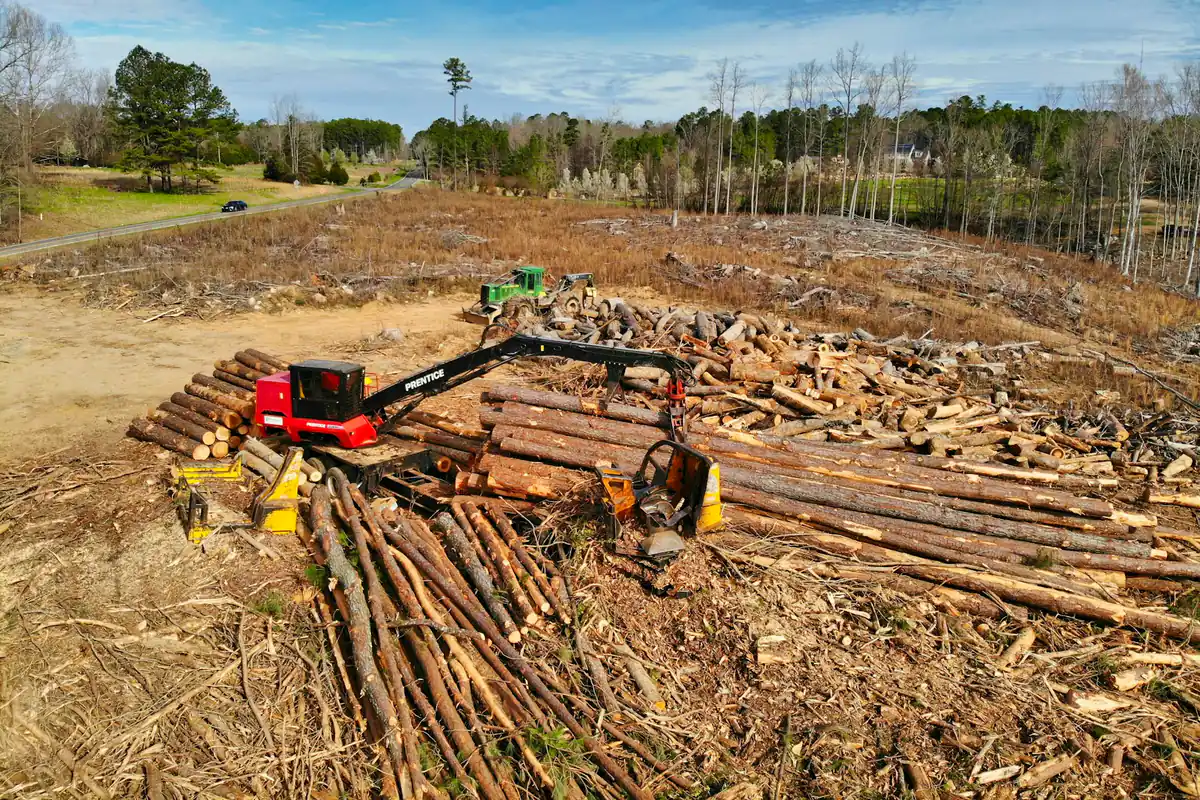
Land Clearing Contractor in Melissa, TX
Lot clearing, permitted tree removal and acreage work where US 75, SH 121 and SH 5 meet. Call for a free on-site estimate.
Land Clearing Services in Melissa, TX
Celina Land Clearing handles land clearing in Melissa, TX: lot clearing inside city limits under the tree removal permit, cedar and fence-line brush on county-road acreage, and the house pad, driveway and culvert work that follows. Call (972) 640-1597 for a free on-site estimate.
Melissa sits on US 75 about seven miles northeast of McKinney, at the spot where SH 121 splits away from the freeway and SH 5 runs alongside it. It was a cotton town first. The Texas State Historical Association records two gins shipping around 3,000 bales a year in the early 1900s. That open-field history is still visible: most land around Melissa was plowed rather than wooded, and what grows on it now is mostly volunteer cedar and the trees that came up along fence lines and draws after the fields went idle.
The farm era is ending fast. The U.S. Census Bureau put Melissa at 13,900 residents in its April 2020 base and 29,969 by July 2025, a 14.5 percent gain in the most recent year. New subdivisions fill much of the land near the highways, while acreage on the county roads east and north of town is being bought, surveyed and cleared for custom homes, barns and shops.
The biggest difference between clearing in Melissa and clearing out in the county is the city's tree rule. Inside city limits, removing trees is a permitted activity, and that changes how a job gets planned, quoted and staged.
Clearing Work in Melissa TX
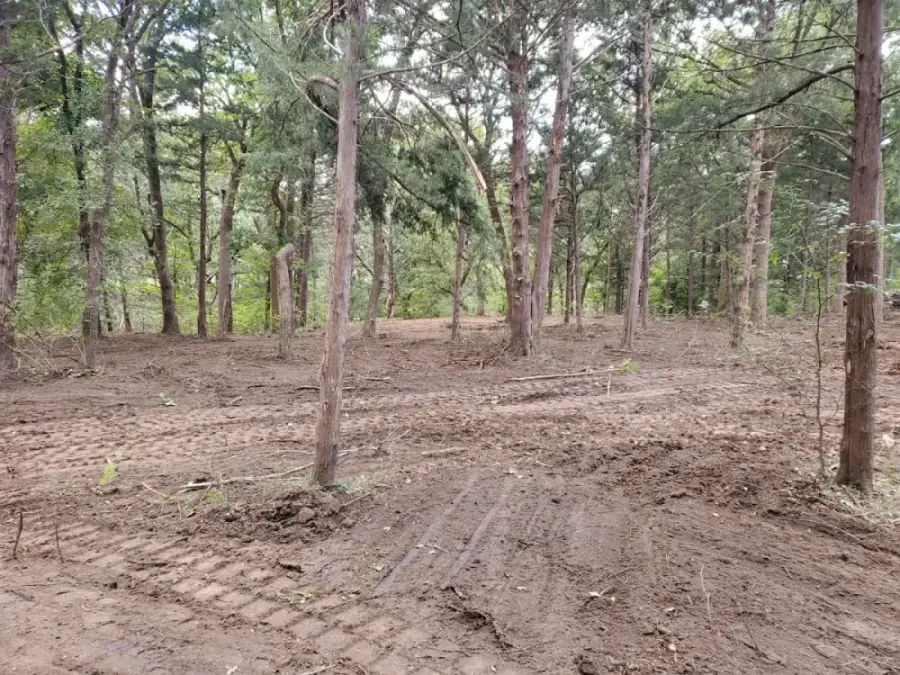
Removing the trees listed on an approved Melissa tree removal permit, and only those trees.
Working inside a site where keeper trees are marked and fenced at the drip line, so roots and trunks survive the build.
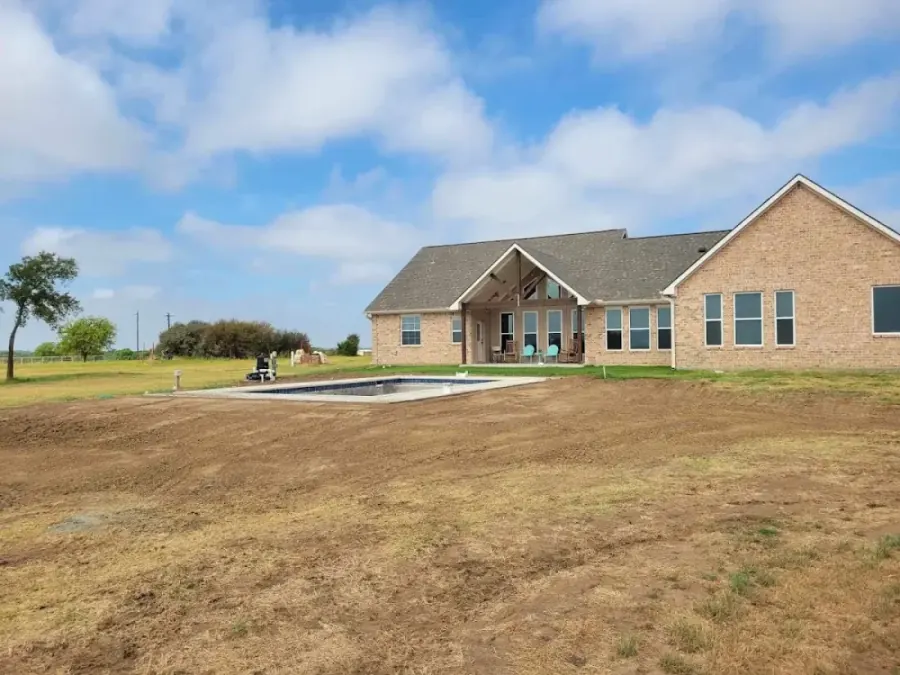
Opening up county-road acreage outside city limits for a house pad, barn, shop or septic field.
Cutting back the cedar and volunteer trees that filled in along old field edges and drainage swales.
Below-grade grinding where slabs, drives or septic lines will go; flush grinding where the ground will be mowed.
Rough-cutting a driveway path and setting a properly sized culvert where the drive crosses a roadside ditch.
After the Clearing: Pads, Driveways and Debris
Most Melissa land clearing jobs are the first step of a build, so the same visit usually prices what comes next. On a homesite that means house pad prep on the Houston Black clay, a graded gravel driveway to the county road and, where the drive crosses the ditch, a culvert sized to the county rules. On open acreage that is staying open, forestry mulching grinds the cedar in place and skips the haul trucks. Burning the brush pile is rarely the cheap option here: Melissa is in Collin County, part of the DFW ozone nonattainment area, and the rules for burning cleared brush in Collin County allow it only when there is no practical alternative.
Melissa's Tree Removal Permit, Explained
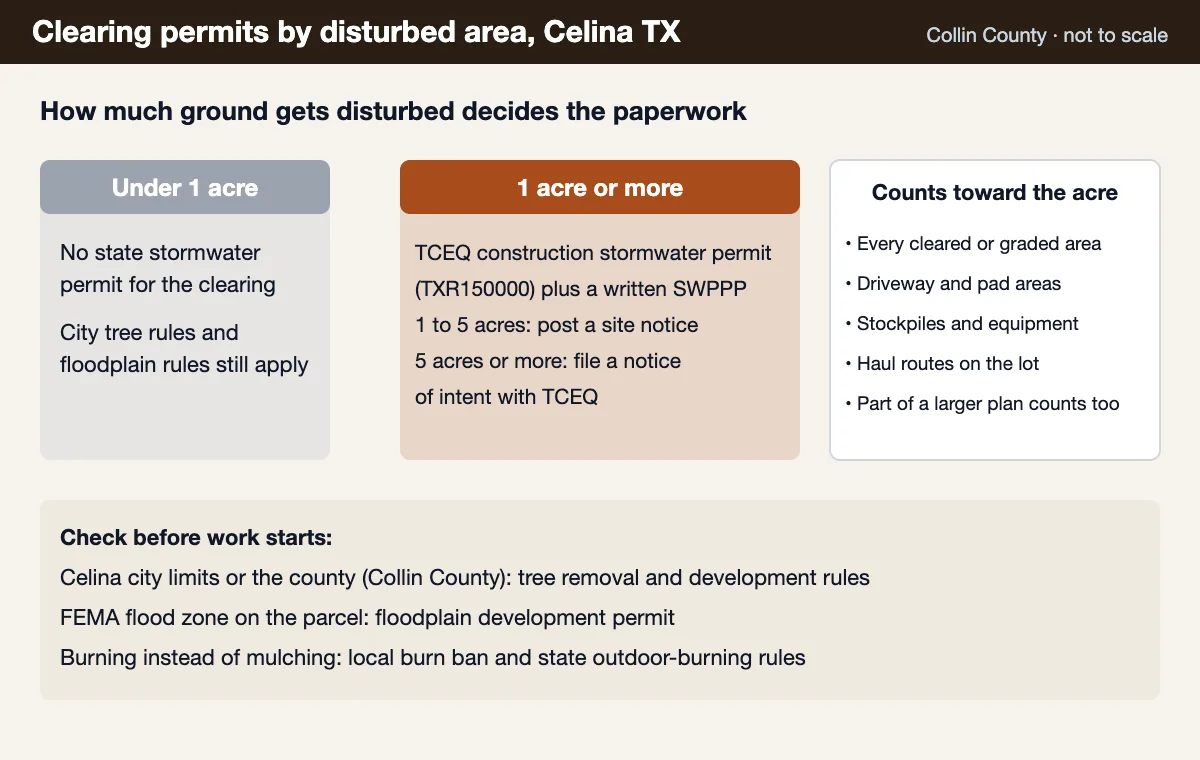
Melissa regulates trees through Chapter 12, Section 27-A of its Comprehensive Zoning Ordinance, titled Landscape Regulations and Tree Preservation. The city's tree removal permit application quotes the key line directly: unprotected trees are considered exempt from the ordinance's requirements, except that a tree removal permit must be issued before removal. In plain terms, even trees that need no replacement still need the paperwork.
For protected trees, the application asks for the type and caliper of each tree, the reason it is coming out, and the total inches subject to mitigation. It then lists replacement trees to cover that total. Trees you preserve can earn credit toward the replacement requirement, capped at one third for residential projects and one half for non-residential projects.
The same document sets tree protection rules for construction sites. Before work starts, the developer marks every tree to be preserved and puts a temporary fence around each tree or group to keep debris, parked vehicles and fill out of the drip line. Equipment and materials may not be cleaned under the canopy of a tree that is staying. A contractor working in Melissa should build those steps into the schedule and the price.
Roads Reshaping the Land Around Melissa
Collin County has already built two-lane pieces of its Outer Loop from the Dallas Parkway to US 75 and from US 75 to SH 121, with the second piece designed to serve as the future westbound service road. The next segment in design starts at SH 121 between Anna and Melissa and heads toward US 380 in Farmersville. Parcels near those alignments tend to get surveyed, fenced and cleared as they change hands. If you own land near a planned corridor, confirm right-of-way lines with the county before clearing to a fence line that may move.
Melissa Soils and Creek Bottoms
USDA soil survey data maps Houston Black clay over most of the upland around Melissa. The bottoms along local creeks are mapped as Tinn clay, much of it labeled frequently flooded, along with pockets of Frio clay loam. Austin silty clay and Lewisville silty clay show up on the eroded slopes. The practical takeaways: bottomland clearing should start with a floodplain check on the FEMA map, wet clay can shut down a site for days after heavy rain, and grading after clearing has to send water away from the house pad because these soils drain slowly.
How to Choose a Land Clearing Company in Melissa, TX
Pick the land clearing company that can tell you, before it quotes, who pulls the Melissa tree removal permit, how it will work the wet Tinn clay bottoms, and where the debris ends up. Price per acre only means something once those three answers are in writing, because each one can add days or haul loads to the job. These are the questions worth putting to any land clearing company you call in Melissa, us included.
- Is the parcel inside Melissa city limits, and is the tree removal permit in the contractor's scope or yours?
- Which trees are protected, and how will they be marked and fenced at the drip line before machines arrive?
- On creek-bottom ground, what happens if the Tinn clay is too wet to carry equipment: a wait, mats, or a different machine?
- Is the brush mulched in place, burned or hauled, and is haul-off priced in the quote?
- Does the quote include grinding stumps out of future septic, slab or driveway areas?
- Can the company show a current certificate of insurance before work starts? Ask for it either way.
Nearby pages cover Anna, Princeton and Celina, and the culvert page explains county driveway pipe rules for acreage outside the city.
Share the address, the trees you want to keep, and the timeline.
Call NowReady to Clear Your Melissa TX Property?
One short form. No cost and no obligation to hire.
Land Clearing Melissa TX: Frequently Asked Questions