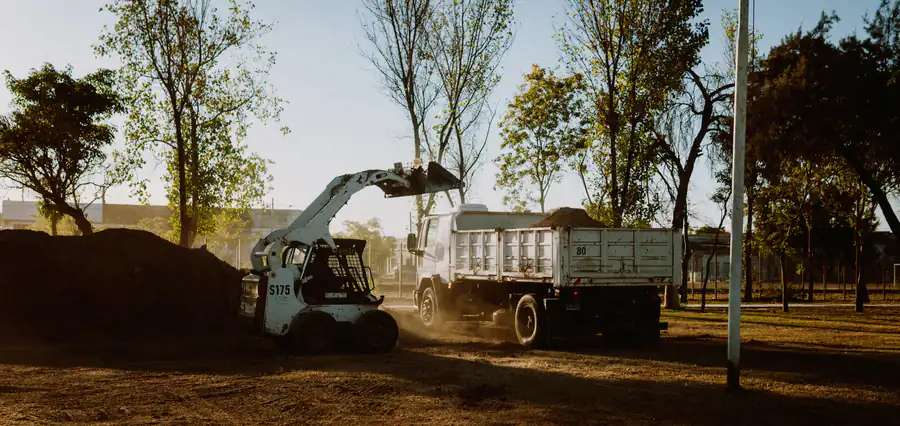
Mesquite Removal in Celina, TX
Mesquite cut and grubbed out below the root crown so it stays gone, on pasture, fence rows and homesites around Celina. North Texas pricing runs about $1,800 to $5,000 per acre by method.
Mesquite Removal That Stays Removed
Mesquite removal in Celina only lasts when the root crown comes out, because honey mesquite regrows from buds on its underground stem after the top is cut, mowed or shredded. Celina Land Clearing handles mesquite removal around Celina by grubbing, mulching with stump treatment, or a mix of the two, depending on how many trees there are and what the land is for.
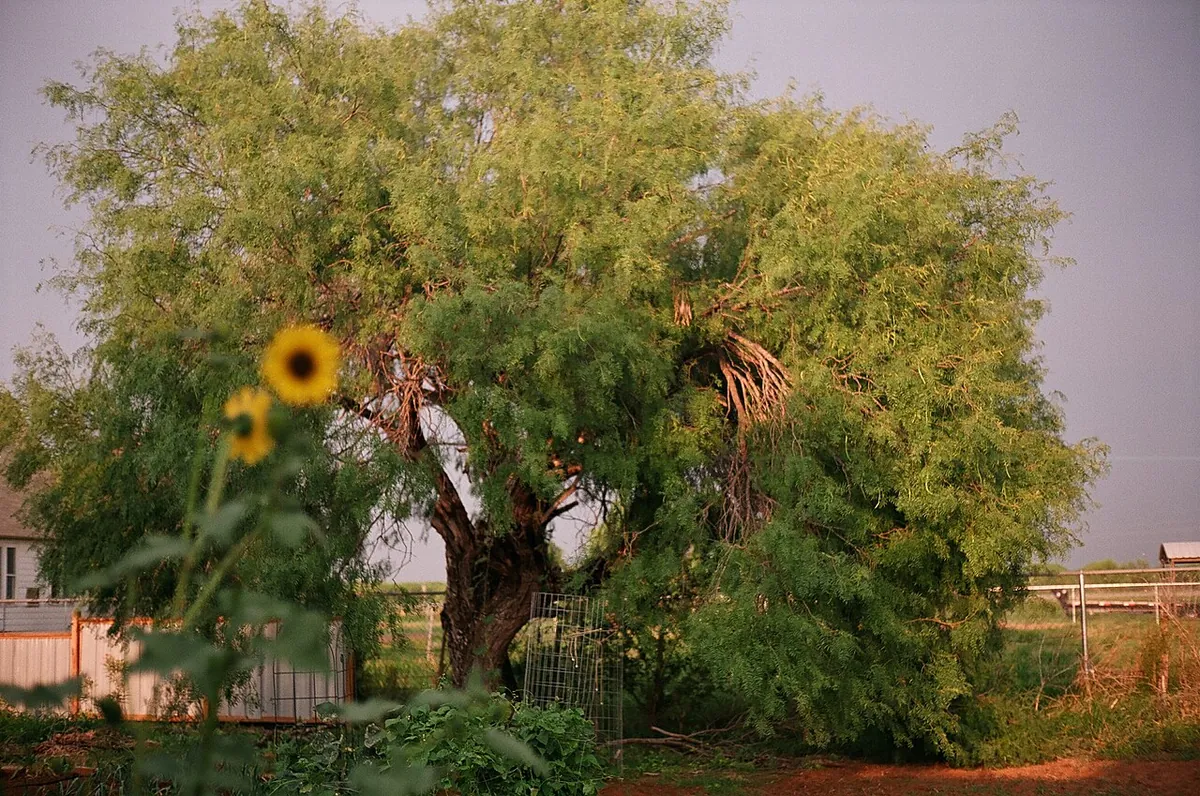
Honey mesquite is the most common mesquite in Texas, a thorny small tree that spreads into pasture that is not grazed or worked. Next door in Grayson County, the AgriLife extension office lists it with eastern red cedar, honeylocust and privet as the trees that have increased dramatically over the last 50 years. On Celina-area tracts it tends to come in on old pasture and along fence rows, often mixed with cedar.
Why Shredded Mesquite Comes Back
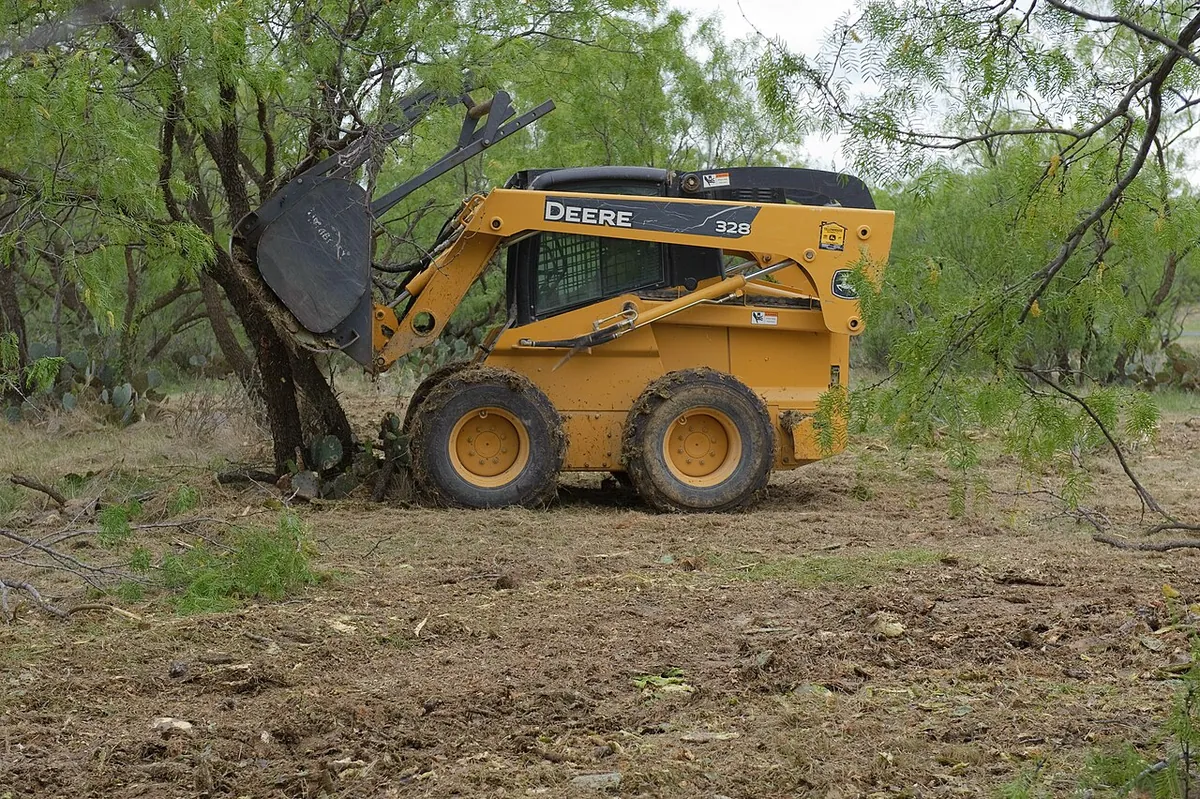
Shredded mesquite comes back thicker because cutting wakes up the dormant buds on its underground stem. The US Forest Service species review puts most of those buds 2 to 6 inches below the soil surface, and up to 12 inches deep on older trees; when the top is removed by cutting, fire, browsing or herbicide that does not reach the roots, they send up new shoots and the single trunk becomes a many-stemmed bush. The Grayson County AgriLife guide says it plainly: mowing or shredding only kills the top of the plant, and grubbing works if the entire root mass is removed.
The roots go a long way down. Where there is water underground, the taproot commonly reaches 40 feet, and on shallow soils it stays at 3 to 6 feet but sends lateral roots out as far as 60 feet from the trunk. Nobody digs all of that out; grubbing only has to take the crown and the bud zone, which is why it works.
Mesquite Removal Methods and Cost
Mesquite removal costs about $1,800 to $5,000 per acre in the Dallas-Fort Worth area depending on the method, with root grubbing at the top of that range because it is the only method that removes the bud zone itself. Pricing published by a DFW clearing company:
| Method | DFW price | What it does to the mesquite |
|---|---|---|
| Forestry mulching only | $1,800 to $3,000 per acre | Clears the top in one pass; the root crown stays and resprouts |
| Mulching plus stump treatment | $2,200 to $4,000 per acre | Cut stumps treated right away to stop the sprouts |
| Root grubbing | $3,000 to $5,000 per acre | Crown and bud zone pulled out; the most permanent option |
| Follow-up treatment | $400 to $1,200 per acre | Seedlings and missed sprouts in the next season or two |
Prices: Bear Claw Land Clearing, DFW mesquite removal. A San Antonio company lists grubbing and root removal at $2,000 to $6,000 per acre (Lone Star Land Services).
For a homesite or a few acres of scattered trees, individual grubbing with an excavator or a skid steer is the usual choice, because the grass between the trees stays put. Large dense pastures are where root plowing comes in: a 10 to 16 foot V-blade pulled 12 to 14 inches deep by a crawler tractor kills 80 to 99 percent of many-stemmed mesquite in moderate to dense stands, but it also takes out most of the perennial grass, so the pasture usually needs reseeding. Where speed matters more than permanence, forestry mulching with immediate stump treatment is the middle option.
Land Grubbing: How the Root Crown Comes Out
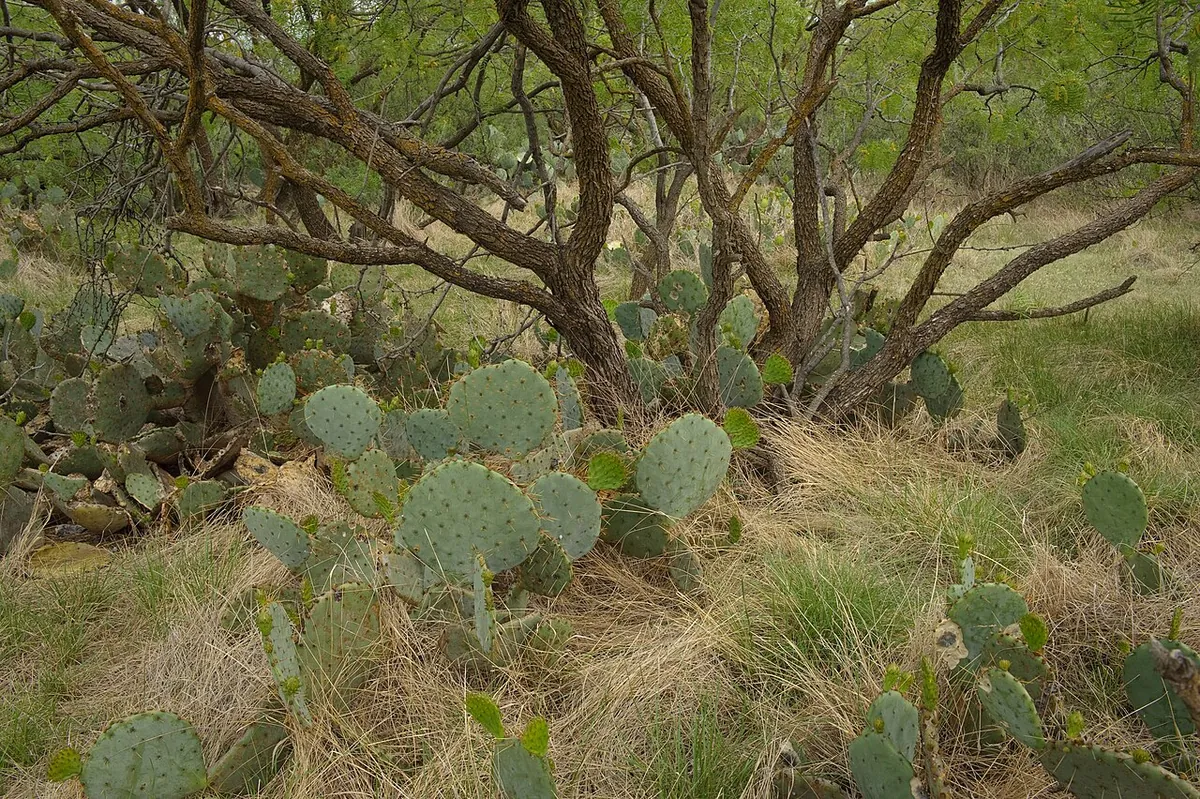
Land grubbing removes stumps and root crowns from below the surface, and for mesquite the target depth is set by the bud zone. Texas A&M rangeland guidance says to sever the taproot below the basal crown, at about 6 to 14 inches depending on the size of the tree. A grubbing bucket, root rake or excavator thumb lifts the crown out; the hole is filled and leveled so the pasture or yard can be mowed.
Three practical points for Celina-area jobs. Grubbing is easier when the ground has some moisture in it, because dry Blackland clay grips the crown like concrete. Grubbing reaches past 16 inches on bigger trees, which means a call to 811 two working days ahead under Texas law. And inside Celina city limits, grubbing is listed in the city's earthwork permit, required for land disturbance of 0.1 acre or more; see the land clearing permit guide.
Keeping Mesquite From Coming Back
Mesquite control is a two-season job even after a clean grub, because seed already in the ground keeps sprouting. AgriLife's Grayson County guide notes that many new seedlings come up where honey mesquite was well established, and lists individual plant basal treatments with triclopyr products and cut-surface treatments as effective follow-ups. Walking the cleared ground the next summer and treating or pulling seedlings while they are small costs far less than a second clearing. Mesquite beans can also be toxic to livestock when they make up a large share of the diet, one more reason to clear pasture before cattle or horses go back on it.
Send the acreage and a rough tree count. Free on-site estimate.
Call NowMesquite Removal Celina TX: Frequently Asked Questions
How much does mesquite removal cost per acre in North Texas?
Why does mesquite grow back after it is cut or shredded?
How deep does mesquite have to be grubbed?
What is land grubbing?
Is root plowing better than grubbing for mesquite?
Can I just spray the mesquite instead?
Sources: USDA Forest Service, Prosopis glandulosa species review; AgriLife Grayson County, trees of North Texas; Texas A&M, mechanical brush methods; AgriLife West Texas Rangelands on grubbing. Last reviewed October 2026.